Learning how to read tarot cards can feel overwhelming at first, especially when you are looking at a full deck of 78 cards with different symbols, characters, numbers, and meanings. The good news is that you do not need to memorise everything before you begin. Tarot reading is a skill that becomes easier with practice, observation, and time.
For beginners, the best approach is to keep things simple. Start by learning how the deck is structured, get familiar with a few basic card meanings, and practise with short spreads. You can gradually build confidence as you learn to connect traditional meanings with your own intuition.
Get to Know Your Tarot Deck
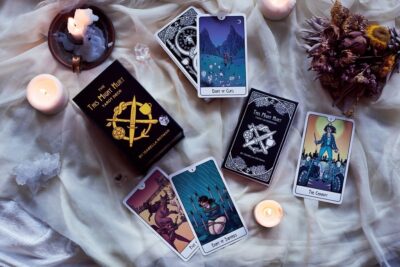
A standard tarot deck contains 78 cards. These are divided into two main groups: the Major Arcana and the Minor Arcana.
The Major Arcana contains 22 cards, including The Fool, The Magician, The High Priestess, The Lovers, The Hermit, The Sun, The Moon, and The World. These cards often represent larger themes, important lessons, or turning points.
The Minor Arcana contains 56 cards divided into four suits: Cups, Pentacles, Swords, and Wands. These cards are often connected with everyday experiences, emotions, decisions, relationships, work, and personal growth.
You do not need to learn all 78 meanings immediately. Begin by recognising the Major Arcana and then work through the four suits gradually.
Spend Time Looking at the Cards
Before reading a guidebook, take a few minutes to study the artwork on each card. Ask yourself what you notice first. Look at the colours, facial expressions, objects, animals, landscapes, and symbols.
For example, The Sun may immediately feel warm, open, and positive, while The Hermit may feel quiet and reflective. These first impressions can help you build a natural relationship with the deck instead of relying only on memorised definitions.
Learn the Basic Meanings
Once you have looked at the imagery, begin learning the traditional meanings. You can use the guidebook that comes with your deck, a tarot journal, or a trusted reference source.
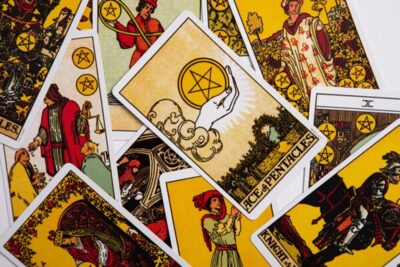
Try learning a few cards each day rather than studying the whole deck at once. Write down one or two keywords for each card. For example, The Star may suggest hope and renewal, while the Ace of Pentacles can point to opportunity, growth, or a new practical beginning.
Start With One-Card Readings
A one-card reading is one of the easiest ways to practise tarot. Shuffle the deck while thinking about a simple question such as, “What should I focus on today?” Then draw one card.
Look at the artwork before checking the meaning. Ask yourself how the card might relate to your question. This helps you practise interpretation without the pressure of connecting several cards at once.
Try a Simple Three-Card Spread
When you feel comfortable with one-card readings, move on to three cards. A basic spread can represent:
- Past – Present – Future
- Situation – Challenge – Advice
- Mind – Body – Spirit
Read each card individually first, then look at how the three cards connect. You may notice repeated colours, symbols, suits, or themes. These connections can help create a clearer overall message.
Ask Clear and Open Questions
Beginners often get better readings when they ask open-ended questions instead of strict yes-or-no questions. For example, instead of asking, “Will I get the job?” try asking, “What should I understand about this job opportunity?”
Open questions give the cards more room to explore a situation and can lead to more useful reflection.
Use Your Intuition
Traditional card meanings are helpful, but tarot reading is not only about memorisation. Pay attention to what stands out to you in the moment.
A symbol that normally seems unimportant may feel significant during a particular reading. A character’s expression, direction, or colour may connect directly with the question. Your personal observations can add depth to the standard meaning.
Keep a Tarot Journal
A tarot journal is one of the best tools for beginners. Write down the date, your question, the cards you pulled, and your interpretation. You can return later and see how your understanding develops.
Over time, you may notice patterns in the cards you draw or develop your own associations with certain symbols and combinations.
Do Not Worry About Reversed Cards Yet
Some readers interpret cards differently when they appear upside down. These are known as reversed cards. While reversals can add another layer to a reading, beginners do not need to use them immediately.
You can begin by reading every card upright until you feel comfortable with the basic meanings. Add reversed interpretations later if you want to expand your practice.
Practise Regularly
The best way to become more confident with tarot is simply to practise. Pull a daily card, try short spreads, or read for yourself regularly. You can also practise with friends once you feel ready.
Do not worry about getting every interpretation “right.” Tarot reading is a process of learning, observation, and reflection. The more often you work with your cards, the more natural the process will feel.
Start Simple and Build Your Confidence
Learning how to read tarot cards for beginners does not require memorising the whole deck in one day. Start with the structure of the deck, learn a few meanings at a time, practise one-card and three-card spreads, and keep notes as you go.
With regular practice, you will begin to recognise patterns, understand symbolism more easily, and develop a reading style that feels natural to you.
Ready to make your tarot practice feel more personal? Explore our Tarot Merchandise collection for tarot-inspired clothing, card holders, deck boxes, tablecloths, pouches, wall art, suncatchers, home decor, and more.
